Produkts veiksmīgi pievienots iepirkumu grozam
Tavā gozā ir 0 produkti. Pastāv 1 prece Jūsu grozā.
Daudzums
Pavisam kopā:
Kopā produkti: (ar PVN)
Kopā piegāde: (ar PVN) Piegāde par brīvu!
Pavisam kopā: (ar PVN)

New
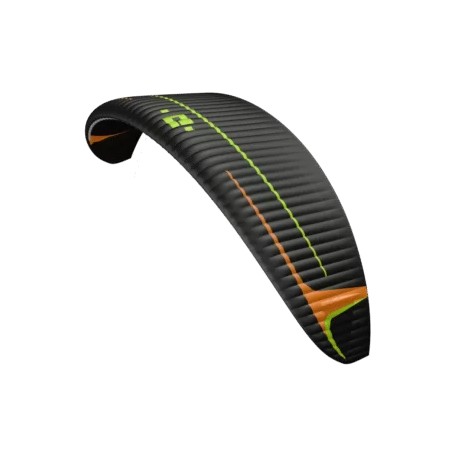
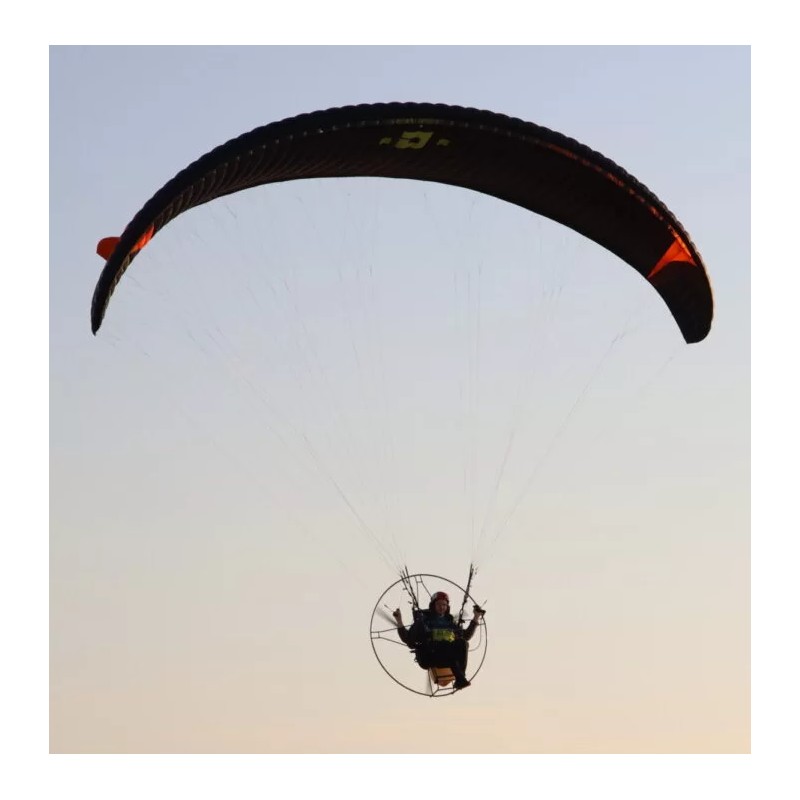
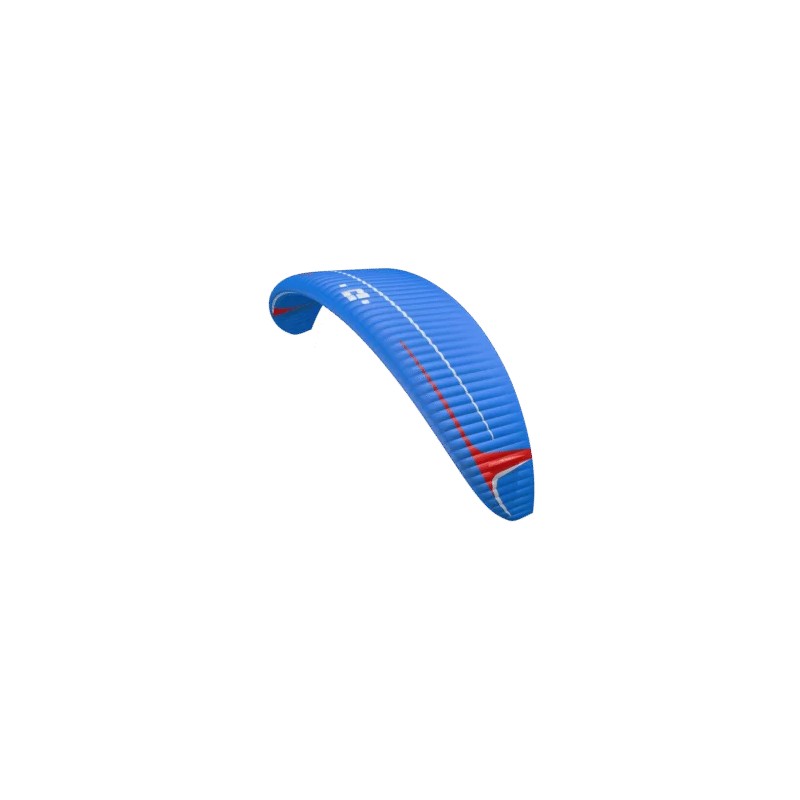
Warp 3 expands the capabilities of its predecessor with significantly improved flight characteristics.
CENA (PRICE)
Lai uzzinātu cenu, rakstiet SMS vai WhatsAppā uz lapas augšā redzamo telefona numuru!
(To find out the price, write an SMS or in WhatsApp to the phone number shown at the top of the page!)
This product is no longer in stock
Availability date:
INFORMATION FROM MANUFACTURER WEBSITE
The Warp 3 is a high-performance cross country wing aimed at pilots who expect the highest performance on the market.
Warp 3 was initially designed to be optimized for classic competitions, but over time it proved to be even more suitable for everyday use than its predecessor. Thanks to the extensive work put into its development, we achieved numerous improvements, such as:
Significantly expanded speed range
(approx. 6 km/h slower at trim speed)
Incereased efficiency
Increased comfort in turbulence
Reduced brake pressure and better handling
Improved roll stability and autostabilization
Easier takeoffs
These improvements were achieve by:
——-
Warp 3 is recommended for pilots experienced in flying Hadron 3-class wings or more demanding ones. Warp 3 will meet all the needs of demanding PPG pilots who enjoy long-distance flights or those for whom flight economy is a priority.
Warp 3 is manufactured entirely in Europe, at our Polish plant, so that we have total control over its sophisticated production process (using among else the advanced LT (Laser Technology) cutting.
| Warp 3 – Sizes | 16 | 17 | 18 | 20 | 22 |
| Approval – ULM (DGAC) |  | | | | |
| Number of cells | 62 | ||||
| Surface area (flat) [m2] | 16 | 17 | 18 | 20 | 22 |
| Surface area (projected) [m2] | 13.62 | 14.47 | 15.32 | 17.02 | 18.72 |
| Span (flat) [m] | 9.66 | 9.95 | 10.24 | 10.80 | 11.32 |
| Span (projected) [m] | 7.71 | 7.95 | 8.18 | 8.62 | 9.04 |
| Aspect Ratio (flat) | 5.90 | ||||
| Aspect Ratio (projected) | 4.36 | ||||
| Distance pilot to wing [m] | 5.63 | 5.81 | 5.98 | 6.30 | 6.60 |
| Total line length [m] | 212.4 | 219.3 | 225.9 | 238.84 | 251.09 |
| Total take-off weight* [kg] | 80-130 | 85-135 | 90-140 | 100-150 | 110-160 |
| Distance between risers [cm] | 45 | ||||
| Weight [kg] | 4.18 | 4.34 | 4.50 | 4.80 | 5.10 |
| Lines | 2 80001: 050; 070; 090; 130; 190; 230; 280 / Technora: 140 & 190 & 280 | ||||
| Fabric | Dominico tex 41 g/m2; Dominico tex 33 g/m2; Dominico tex 27 g/m2; Dominico tex Hard 41 g/m2; SR Scrim, SR Laminate 180 g/m2 | ||||
* The basic rule is to choose the wing size so the take-off weight is in the middle of the weight range. Less weight on the wing (lower range take-off weight) can be considered for foot take-off, when flying in calmer conditions, or when we want to improve economy. More experienced pilots who want to fly dynamically, have higher speed and fly in more demanding wind conditions can consider greater wing loading (take-off weight in the upper range). This is a common option among trike users.
Note – the canopy significantly changes its behaviour with increasing wing loading. The greater the loads, the greater skill and concentration of the pilot are required.